When a house fire is put out, the damage does not stop. Smoke moves through wall cavities. Soot settles into the flooring and trim. Water used to extinguish the flames can soak into drywall and framing. Effective residential fire damage solutions must address all of these conditions simultaneously.
Property Medics of Georgia was called to restore a large multi-level home in Atlanta with more than $250,000 in fire, smoke, and water damage. The six-bedroom residence had been impacted across nearly every level, from finished living areas to unfinished storage spaces.
The project required full gut demolition in several areas, careful structural cleaning of preserved rooms, flood cuts to remove trapped moisture, and replacement of any compromised framing.
Location: Atlanta, GA
Property Type: Residential
Cause of Loss: House Fire
Damage Type: Fire, Smoke, And Water
Project Value: $250,000+
The fire occurred inside a six-bedroom residence near 400 Heards Ferry Road in Atlanta. After the flames were extinguished, the impact extended far beyond the point of origin. Smoke and soot traveled upward through stairwells, wall cavities, and ventilation pathways, contaminating nearly every level of the home.
During the initial inspection, our team found extensive damage. Most of the main floor and the entire second floor required full gut demolition due to embedded soot and heat exposure. Flooring in affected areas showed contamination beneath the surface. Even the unfinished basement storage area showed heavy smoke exposure.
Conditions identified during assessment included:
Due to the property’s scale and the range of impacted materials, our residential fire damage solutions required a coordinated approach from the start.
The fire and smoke affected the main floor, second floor, basement, and several specialty rooms. Each level contained different building materials, assemblies, and finishes.
In multi-story homes, smoke rises quickly through stairwells and framing cavities. Contamination rarely stays confined to one space. Coordinating demolition, containment, and cleaning across multiple levels required careful planning to keep the project moving efficiently.
Most of the main floor and the entire second floor required full gut demolition. However, the master bedroom suite, master bathroom, water closet, and steamer closet remain preserved and structurally sound.
These preserved areas still required detailed structural cleaning to remove smoke residue. The challenge was protecting unaffected components while removing contaminated materials nearby, ensuring cross-contamination did not occur during demolition.
Fire suppression efforts introduced moisture into several areas, including the water heater closet, theater room, and carpeted bonus room.
Flood cuts were completed to remove wet drywall and insulation. When moisture becomes trapped behind walls or beneath flooring, it can cause long-term structural and odor problems. Determining the correct cut height and documenting conditions carefully helped prevent future complications.
The unfinished basement storage area featured concrete-block walls that needed cleaning and treatment. The bonus room included a tongue-and-groove ceiling that remained under evaluation to determine the extent of smoke infiltration.
Across the home, wood flooring, insulation, drywall, and specialty finishes required different removal and cleaning methods. Porous materials, especially softwoods and insulation, are particularly susceptible to odor retention if not properly addressed.
Determining what could be safely preserved versus what needed to be replaced required careful inspection and documentation. Charred structural wood was identified in select areas. Any framing compromised by heat exposure required removal and replacement.
In areas where framing remained structurally sound, encapsulation was applied during reconstruction to seal residual odor and contamination.
Every fire loss begins with a clear plan. For this project, Property Medics of Georgia followed a controlled, step-by-step sequence that included assessment, containment, demolition, structural cleaning, moisture mitigation, and reconstruction.
Our process was tailored to the specific conditions of each level. The work included:
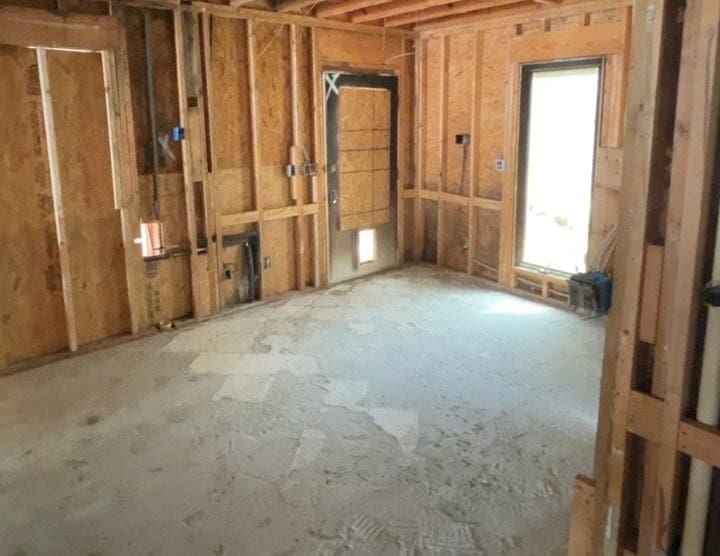
Most of the main floor was taken down to the framing, with the master bedroom suite, master bathroom, water closet, and steam closet preserved. Contaminated wood flooring was removed, framing was evaluated, and exposed structural components were cleaned. Preserved rooms received detailed cleaning to remove smoke residue without unnecessary demolition.
The second level required a complete gutting down to the structural frame. Drywall and insulation were removed throughout, exposing wall and ceiling cavities to fully address soot contamination. Structural cleaning ensured smoke residue was eliminated before rebuilding began.
In the unfinished storage area, smoke had settled into the concrete block walls. These surfaces were cleaned and treated to prevent lingering odor. Any affected insulation was removed to reduce the risk of long-term contamination.
Moisture from suppression efforts required targeted flood cuts in these areas. Wet drywall and insulation were removed to the appropriate height, flooring in the theater room was also removed, and the underlying structure was cleaned and dried to eliminate hidden moisture.
The bonus room required flood cuts and a close evaluation of the tongue-and-groove ceiling to determine how deeply smoke had penetrated. Structural cleaning was completed while carefully documenting conditions in case additional removal became necessary.
This space was fully demolished due to contamination. Once exposed, the framing and surrounding structural components were thoroughly cleaned to prepare the area for reconstruction.
Damaged framing was removed and replaced where heat had compromised structural wood. In areas where framing remained sound, encapsulation was applied during reconstruction to seal any residual contamination and support long-term performance.
Property Medics of Georgia’s experience managing large-scale commercial restoration services supports the coordination required for multi-level residential losses like this. Throughout the project, we provided services aligned with our approach to fire damage restoration. Careful cleaning & pack-outs helped stabilize the home before rebuilding began.
Restoring this Atlanta home required careful coordination from start to finish. Fire, smoke, and water damage were addressed across all levels, bringing the property back to a condition where reconstruction could proceed safely.
Any heat-affected framing was repaired, and preserved areas were thoroughly cleaned to remove lingering contamination. Moisture was fully resolved before rebuilding began, reducing the risk of future structural or odor concerns.
For the homeowners, that meant knowing the damage had been properly handled. After a fire, confidence comes from seeing the work done correctly and the structure stabilized. With the home cleaned, repaired, and ready for reconstruction, they could move forward with clarity and peace of mind.


Before
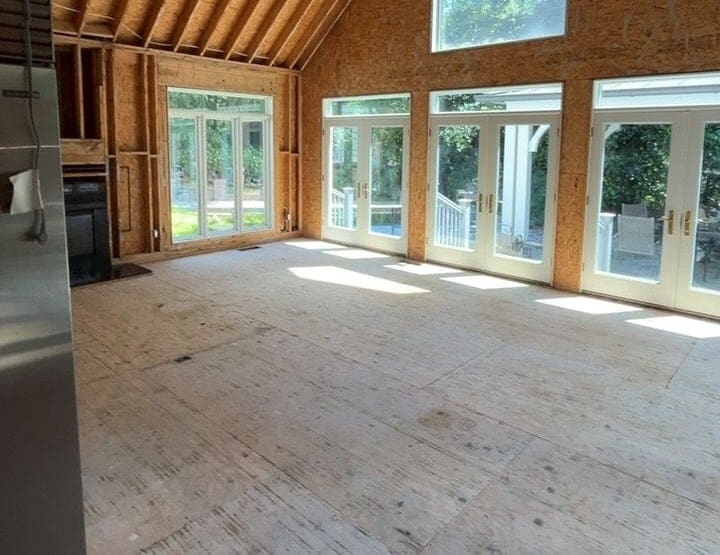
After

Before
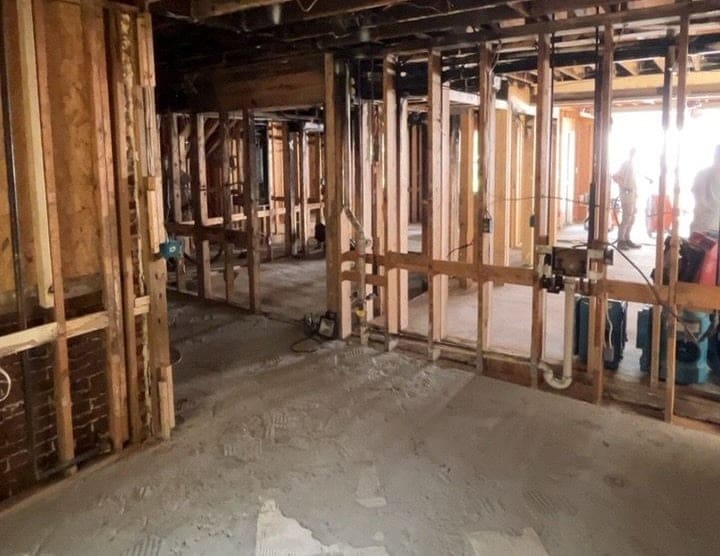
After

Before
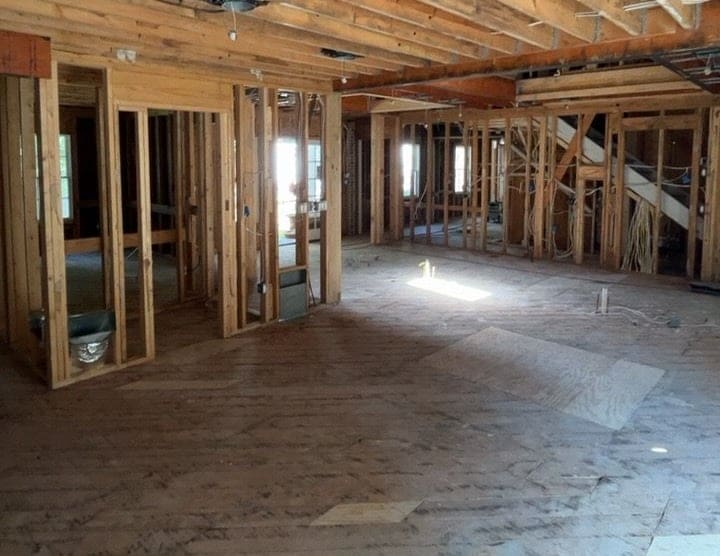
After

Before
After

Every fire leaves a different footprint. The layout of the home, the materials used, and the way the fire was suppressed all influence how far smoke and moisture travel. In multi-level homes, that means careful sequencing and close coordination across demolition, cleaning, and reconstruction.
At Property Medics of Georgia, our residential fire damage solutions assess what can be preserved and remove what cannot. Whether the damage is limited or widespread, our goal is simple: make sure the home is fully stabilized and ready for what comes next, so you can focus on moving forward.
From the moment you call, our restoration specialists are ready to respond. We handle everything from initial assessment to final repairs, ensuring your home or business is restored with care, precision, and attention to detail.
Cleanup is one of the most critical phases after a fire. Our team removes debris, damaged materials, and excess water, preparing your property for complete restoration. With the right tools and training, we help prevent long-term structural issues and secondary damage.
Smoke damage spreads quickly, often reaching areas untouched by flames. We utilize advanced equipment to clean surfaces, furniture, and hard-to-reach areas where residue accumulates, thereby preventing ongoing health risks and damage.
Odors can linger long after visible damage is gone. Our smoke odor removal techniques target the root of the problem, not just the surface. By combining proven deodorization methods with expert restoration, we leave your property smelling clean and safe again.
