The water is all cleaned up, and you dried everything you could. It finally feels like the water damage is behind you.
But a few days later, something feels off. There is a smell you cannot quite place or a dark spot that was not there before.
In Atlanta, mold after water damage can start forming before you even realize the moisture has been left behind. What feels like a small leak or a quick cleanup can quietly turn into something bigger behind walls, under flooring, or inside the HVAC system you rely on every day.
If you have dealt with water damage recently or something just does not feel right, this guide walks you through the signs of mold growth and how to remove mold from Atlanta homes.
How Quickly Does Mold Grow After Water Damage?
Mold typically begins growing within 24 to 48 hours of water damage, even when everything looks fine on the surface. Atlanta’s warm, humid air makes it easier for residual moisture to linger, especially in materials like wood or insulation that are harder to dry out completely.
Even when surfaces feel dry, moisture can stay trapped underneath. That is usually where mold begins, and by the time you see it, it has often spread beyond the original area. The Environmental Protection Agency (EPA) and the Federal Emergency Management Agency (FEMA) both stress the importance of early drying—but in Atlanta, that window closes quickly.
Why Atlanta Homes Are Especially Vulnerable
Between Atlanta’s summer rains, humidity that rarely allows materials to fully dry, and older homes that absorb water easily, you might notice mold from water damage after:
- A sudden storm pushes water into a basement
- A pipe leak goes unnoticed for a few days
- Condensation builds up around your HVAC system
- Crawl spaces trap moisture with limited airflow
When water damage is restored correctly from the start, it reduces the chance of mold taking hold. If you are dealing with moisture issues, now is the time to call in professional mold remediation to prevent the situation from escalating.
Areas of Your Home Most at Risk for Mold After Water Damage
Here are some of the most common places to check for mold after water damage:
- Walls And Drywall: Even when drywall feels dry, moisture can still be sitting just beneath the surface, where mold usually starts.
- Flooring And Subfloor: Water does not always stay where you can see it. It can slip beneath flooring and settle into the subfloor, creating a hidden space where mold can grow unnoticed for a while.
- Attic And Crawl Spaces: These areas do not get much airflow, so once moisture gets in, it tends to stick around. That makes them one of the easier places for mold to take hold.
- Basements: After a heavy rain or minor flooding, basements can stay damp longer than the rest of the house. If they are not dried out properly, lingering moisture can lead to mold.
- Behind Appliances: Small, slow leaks behind appliances are easy to miss. Over time, that moisture builds up in tight spaces where mold can grow without you ever seeing it.
Warning Signs Mold Has Already Started Growing
Here are a few signs to look out for if you suspect your property has hidden mold growth:
- Musty Odor That Won’t Go Away: If a room starts to smell damp or a little off and it does not go away, that is often one of the first signs that something is growing where you cannot see it.
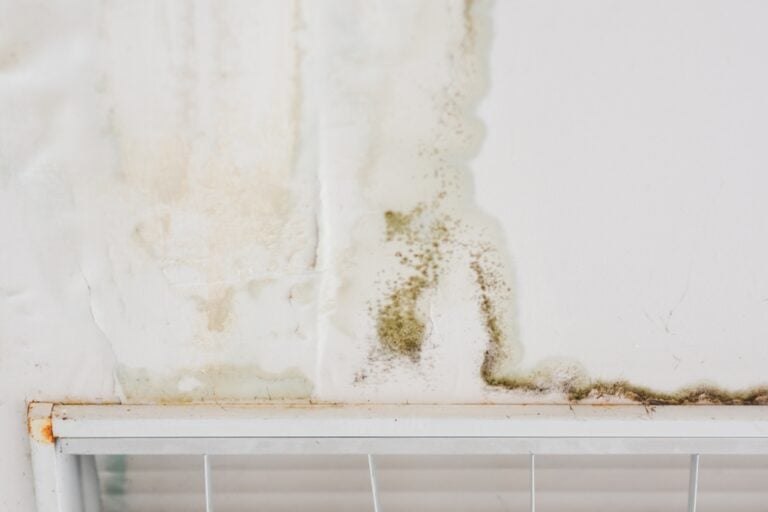
- Visible Dark Spots Or Discoloration: You might notice small dark spots or patches on walls, ceilings, or floors. They can show up in different colors and usually spread over time if nothing is done.
- Warping, Bubbling, Or Peeling Surfaces: When moisture gets trapped behind paint or wallpaper, it starts to push through, leading to bubbling, peeling, or uneven surfaces.
- Worsening Allergy Or Respiratory Symptoms: If you or someone in your home starts dealing with more coughing, sneezing, or irritation than usual, especially indoors, mold could be affecting the air quality.
- Condensation On Windows And Surfaces: Moisture constantly collecting on windows or other surfaces is a sign that humidity levels are staying high enough for mold to grow.
The Dangers of Invisible Mold
In many homes, mold quietly forms and spreads before anything looks out of place. So by the time you notice a spot or a smell, it may already have moved beyond the original moisture source. Small changes are worth paying attention to, as seemingly minor surface details can sometimes point to something happening out of sight.
What NOT to Do After Water Damage
It is easy to focus on what to do after water damage, but what you avoid matters just as much.
- Don’t Leave Wet Materials Sitting: Materials like carpet, drywall, and insulation hold onto moisture longer than you might realize. Letting them sit for more than a day or two gives mold time to start forming beneath the surface.
- Don’t Rely On Household Fans Alone: While fans can help with airflow, they do not remove moisture from materials. In some cases, they can even push spores around if mold has already developed.
- Don’t Ignore Small Leaks Or Minor Flooding: What looks minor at first can spread underneath floors or behind walls. The longer the mold sits around, the harder it becomes to completely dry.
- Don’t Paint Over Visible Mold: Covering the mold with a fresh coat of paint traps moisture beneath, allowing growth to continue beneath the surface.
- Don’t Wait Too Long To Get Help: Timing matters here. The longer moisture sticks around, the more it spreads into materials that are harder to treat later.
DIY Steps to Slow Mold Growth Before the Pros Arrive
There are a few things you can do right away to help limit how far moisture spreads. These steps can make a difference early on, but they are not a replacement for proper drying and remediation.
- Remove Standing Water As Quickly As Possible: The faster water is removed, the less chance it has to soak into surrounding materials.
- Open Windows And Doors For Airflow: Moving air helps moisture start to evaporate, especially in the first few hours.
- Clear Out Wet Items: Rugs, furniture, and other soft materials hold moisture longer and can slow down the drying process.
- Use A Dehumidifier If You Have One: Pulling moisture out of the air helps limit how much stays trapped in your home.
- Take Photos For Insurance: Documenting the damage early helps paint a fuller picture, which can make your claim process much easier when you file later.
While these steps can help slow things down, they do not reach moisture trapped behind walls or under flooring. When you find yourself in that situation, that’s when it’s time to get a professional deep cleaning.
How Professional Water Damage Restoration Prevents Mold
The difference between surface drying and thorough drying is what usually determines whether mold becomes a problem later. What you can see is only part of it. Moisture often settles in materials behind walls, under floors, and in areas where it is harder to dry out completely without the right equipment.
Professional water damage restoration completely eliminates mold and residual moisture that could lead to recurring growth. The process starts by removing any remaining water, but it doesn’t stop there. Crews track moisture levels as they dry the structure, treating areas as needed to help prevent growth before it can start, while air filtration helps limit how anything already present can spread through the home.
What to Do If Mold Is Already Present After Water Damage
If you notice visible mold after water damage, it’s time to call in a mold remediation specialist.
Professional mold remediation starts by containing the affected space, then removing materials that cannot be saved, treating surfaces, drying the structure, and testing the air to confirm everything has been fully addressed. Handling both the water damage and the mold together helps keep the issue from recurring.
Does Homeowners Insurance Cover Mold After Water Damage in Georgia?
If the water damage was tied to something sudden, like a burst pipe or storm damage, insurance will often cover the mold that follows. It gets more complicated when moisture builds up over time, since slow leaks and ongoing humidity are often considered preventable.
Taking photos and notes about when the damage started can make a real difference when you file a claim. When both water damage and mold are involved, handling them together also keeps the process more straightforward. Some water damage restoration professionals also take the extra step of coordinating directly with your insurance carrier while the work is underway.
Why Atlanta Homeowners Trust Property Medics for Mold After Water Damage
When water damage and mold show up at the same time, the process can get complicated quickly. Our focus is to step in early, take control of both issues, and keep things moving so you are not left trying to figure out what comes next.
At Property Medics of Georgia, we handle the entire water damage restoration process in-house, so you have one team managing your recovery from start to finish.
- We Handle Water Damage And Mold Together
You don’t have to worry about coordinating between multiple companies. We take care of both sides of the issue so nothing gets missed. - Our Team Is IICRC-Certified
We follow industry standards for water damage restoration and mold remediation to make sure the work is done the right way. - We Respond Quickly When It Matters Most
While mold follows its own schedule, our team works around your convenience. Our team’s fast response has experts there as soon as possible to limit the spread. - We Work Directly With Your Insurance Carrier
We coordinate with your insurance provider during the process so you are not left handling that on your own.
Act Fast and Protect Your Atlanta Home From Mold
Mold after water damage can escalate quickly, especially here in Atlanta, where moisture tends to linger longer than it should. The sooner it is fully addressed, the easier it is to keep it from turning into a more involved repair.
If your property has sustained water damage, Property Medics of Georgia will step in, assess the situation, and resolve it before it can spread further.
Call us at 404-924-2988 to schedule professional mold remediation and protect your property before the damage gets worse.