Atlanta storm damage can catch homeowners off guard, especially as increasingly severe and frequent weather patterns continue to affect the region.
At Property Medics, we help homeowners across the area recover from sudden wind, heavy rain, and hail events. This guide covers what to expect during Atlanta’s storm season, the types of damage you’ll encounter, how to prepare for it, and how to get expert storm damage repair in Atlanta so you’re not dealing with problems later on.
Understanding Atlanta’s Storm Season and Damage Risks
Storm unpredictability catches many homeowners off guard. Understanding how Atlanta’s weather behaves makes it easier to stay ahead of problems.
Peak Storm Months in Atlanta
Storm activity usually begins picking up in March. Afternoon storms are common in the months that follow, often forming with little warning and bringing strong gusts and heavy rain in a short time.
Late summer carries additional storm risks when tropical systems move inland. Even when weakened before reaching inland areas, these systems can still bring enough rainfall and wind to stress roofing systems and overwhelm drainage systems.
Geographic Factors That Increase Storm Damage Risk
The same storm can hit two parts of Atlanta, leaving one home untouched while the other suffers water or roof damage. Conditions shift quickly depending on where your home is located and how the surrounding area responds to water and heat.
A few local factors tend to make the biggest difference:
- Elevation Changes
Slopes and uneven terrain can redirect water toward certain properties. In lower-lying areas or spots with slower drainage, water can collect around the foundation or start working its way inside more quickly. - Urban Heat Buildup
Roads, rooftops, and parking areas hold onto heat during the day, which can fuel stronger afternoon storms when that heat mixes with peak humidity. - Drainage Limitations
During heavier storms, even well-maintained gutter and drainage systems can struggle to keep up. When water has nowhere to go, it finds the easiest exit, which is usually toward your home.
Most Common Types of Storm Damage in Atlanta Homes
Storm damage in Atlanta does not always show up right away. What starts as a small issue can build quickly as moisture or structural stress spreads, especially when water finds its way inside.
Here’s what to look for:
Wind and Hail Damage
After a storm, you might notice missing shingles, dented gutters, or debris impact around siding and windows. Even when everything appears intact, there can be underlying damage that weakens materials over time.
We often see situations where shingles have loosened just enough to let water in during the next storm, or hail has compromised the surface without causing an immediate leak. In these cases, homeowners should schedule an inspection to determine the extent of damage and schedule the necessary wind and hail repair solutions.
Water Damage from Storm Events
Water damage is not always obvious at first, but it does not take long for it to spread. During heavy rain, water can push through small openings in the roof, around windows, or along the foundation when drainage systems are overwhelmed.
Inside, water damage can manifest as ceiling stains, soft drywall, or musty odors. In some cases, damage may go unnoticed for days, allowing moisture to settle in the insulation and flooring. If that’s the case, it’s time to schedule professional water damage restoration services.
Structural and Secondary Damage
Lingering moisture can create ideal conditions for mold growth, especially in enclosed areas, and may require professional mold remediation for proper removal.
Water exposure can also affect electrical systems. Damaged wiring or compromised components increase the risk of short circuits or small electrical fires that require fire-damage restoration.
Preparing Your Atlanta Home for Storm Season
Preparing for the storm season early can reduce the likelihood of sudden repairs after a storm moves through. Here’s what you can do to prepare for storm damage in Atlanta today:
Essential Home Maintenance Before Storm Season
- Roof Condition
Look for missing, loose, or aging shingles, as well as any signs of wear around flashing or vents. - Gutters and Drainage
Clear out debris and make sure downspouts are directing water away from the foundation. - Tree Coverage
Trim back branches that hang over the roof or sit close to the home, especially those that could break under pressure. - Exterior Sealing
Check around areas like windows and siding for gaps where water could intrude.
Emergency Preparedness Planning
Having a basic plan in place can make a big difference when conditions shift quickly:
- know where to go when the power goes out for extended periods
- keep a small supply of essentials somewhere secure
- keep important contact numbers accessible
Insurance Documentation and Coverage Review
Many homeowners assume their insurance policy covers all types of storm damage, only to find out later that there are limitations based on how the damage occurred. Taking time to document your home’s current condition can help if you need to file an Atlanta storm damage roof insurance claim later on. Take photos of your roof, exterior, and main interior areas to make it easier to spot and document any changes after a storm.
What to Do Immediately After Storm Damage Occurs
When storm damage occurs, the first few steps can significantly influence your recovery.
Safety Assessment and Immediate Hazards
Start by checking for anything that could put you at risk. Downed power lines, exposed wiring, or structural damage around the roof or ceilings are all signs that you should keep your distance and call for help. And if you find water inside, pay close attention to where it traveled, as electrical systems and standing water don’t mix. In these cases, it’s always safer to leave the area until it’s properly assessed.
Temporary Protection and Damage Mitigation
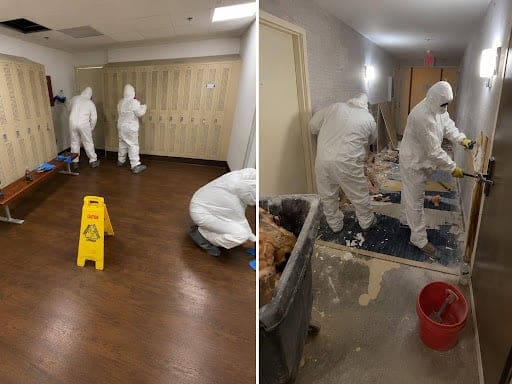
Once it is safe to do so, the focus shifts to limiting further damage. This may mean covering exposed areas, moving belongings away from water, or drying out smaller affected spaces. Most minor cleanups are easy to do on your own. But widespread roofing issues often require a more controlled approach to prevent damage from spreading.
Calling Professional Storm Damage Services
When damage affects multiple areas or is not fully visible, a professional assessment can help identify what needs attention now and what may develop later, often leading homeowners to bring in emergency restoration support that covers both immediate response and follow-up repairs.
Navigating Insurance Claims for Atlanta Storm Damage
Your ability to claim storm damage often depends on your policy and how it categorizes the damage.
Understanding Your Georgia Homeowner’s Policy
Most policies cover wind and hail damage, but coverage varies for flooding. Reviewing your policy ahead of storm season helps clarify what is covered and where gaps may exist, so you are not trying to figure it out after damage has already occurred.
Documenting Storm Damage for Insurance
Clear documentation from a reliable restoration team can make the claims process easier to manage. Photos of affected areas and notes on when the damage was first noticed help create a clear record of what happened. Keeping track of any temporary repairs also helps explain what steps were taken right after the storm.
Choosing the Right Storm Damage Restoration Company in Atlanta
Restoring storm damage in Atlanta requires a thoughtful approach:
Avoiding Storm Chasing Scams
Storm chasers often move into areas after severe weather, offering fast repairs and quick agreements. They may push you for quick decisions or ask for large upfront payments, which is why it helps to take a step back and verify who you are working with before moving forward.
Local Atlanta companies with an established presence are more likely to be available for follow-up work and ongoing support.
Questions to Ask Storm Damage Contractors
Before moving forward with any work, it helps to ask a few practical questions so you know who you’re dealing with and what to expect:
- Are you licensed and insured in Georgia?
- Can you share local references or recent work?
- What does the timeline look like from inspection to completion?
- How do you handle insurance coordination if it comes up?
FAQ Section
How quickly should I address storm damage to my Atlanta home?
If something looks off, schedule a storm damage inspection right away. Waiting a few days can give moisture—and damage—time to spread.
Does homeowner’s insurance cover all types of storm damage in Georgia?
It depends on how the damage happened. Unexpected wind and hail are usually covered, but flooding is often considered separate.
What’s the difference between emergency repairs and full restoration?
Emergency repairs focus on preventing further damage, such as covering exposed areas or removing water. Full restoration involves repairing and rebuilding affected parts of the home.
How can I tell if storm damage requires professional restoration?
Damage involving the roof or internal structures can be easy to miss without a proper inspection. This type of storm damage often requires professional restoration.
What should I do if I discover storm damage weeks later?
Start by documenting what you see, and then reach out to your insurance provider. Even if the damage took time to appear, it can still be tied back to a storm, depending on the situation.