If you’ve been asking “What is water mitigation?”, you’re likely dealing with unexpected water damage and wondering what happens next.
Water mitigation is the process of stopping active water damage, removing standing water, and drying affected materials before permanent structural damage or mold can develop. It is the emergency response phase after a burst pipe, appliance leak, storm damage, or flood. Unlike water damage restoration, which repairs damaged materials, mitigation focuses on preventing damage from worsening. If water has entered your home or business, mitigation should begin within hours.
Property Medics responds to water mitigation calls throughout Georgia, from burst pipes during winter cold snaps to homes affected by heavy summer storms. In this guide, we’ll explain what water mitigation is, how it differs from restoration, when you need professional help, and what the mitigation process looks like from start to finish.
What Is Water Mitigation?
The term “mitigation” simply means reducing the severity of a problem. Water mitigation is the emergency process of limiting damage after unwanted water enters a property. Its purpose is to remove water, dry the structure, and prevent additional problems such as mold growth, wood rot, or structural weakening. The goal is not to restore your home to its original condition, but to stabilize the property and stop the damage from spreading.
Water Mitigation vs. Water Damage Restoration — What’s the Difference?
- Mitigation stops immediate damage by extracting water, drying the structure, and preventing mold growth.
- Water damage restoration is the process of repairing or replacing damaged drywall, flooring, cabinets, and other building materials after everything has been properly dried.
What Does “Mitigation” Actually Mean in Practice?
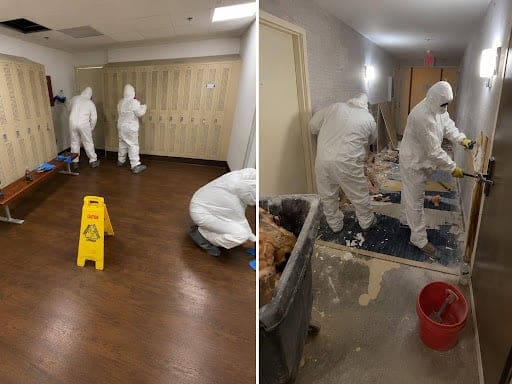
In practice, mitigation includes removing standing water, drying wet materials, disposing of items that cannot be saved—such as saturated carpet padding or insulation—and tracking moisture levels until the building reaches safe drying standards. Insurance companies typically expect mitigation to begin promptly because delaying emergency drying can increase the overall cost of the claim.
When Do You Need Water Mitigation?
You should schedule water mitigation as soon as you notice that water has entered your home and cannot be cleaned up with basic household tools. Standing water, hidden moisture, and soaked building materials can cause mold growth and structural damage if left untreated.
Some of the most common situations that require professional water mitigation include:
- Leaking or burst pipes
- Appliance failures
- Roof leaks and storm damage
- Sewage backups
- Flooding from heavy rainfall
Signs You Need Mitigation Immediately (Not Tomorrow)
Don’t wait until tomorrow if you notice any of these warning signs:
- Standing water on floors
- Water stains or tide marks climbing drywall
- Wet carpet, padding, or subflooring
- Water near electrical outlets or breaker panels
- A sewage odor or visibly contaminated water
One of the issues homeowners often overlook is hidden moisture. Water that travels across a floor frequently seeps into wall cavities, even when the wall surface appears dry. Professional moisture meters and thermal imaging cameras help locate water that isn’t visible to the naked eye.
Can You Handle Water Mitigation Yourself?
Small spills affecting less than about 10 square feet that are cleaned and dried within 24 hours are typically manageable with household cleaning items. But DIY drying becomes much more difficult and less effective once water has soaked drywall, insulation, carpet padding, or structural materials.
Consumer dehumidifiers typically remove about 30 to 70 pints of moisture per day, while commercial restoration equipment can remove 150 to more than 300 pints daily. That difference often determines whether a home dries in a few days or develops mold weeks later.
If you’re dealing with extensive water in your home, document the damage with photos before cleanup begins and notify your insurance company as soon as possible. Attempting to dry water damage without the proper equipment can sometimes increase repair costs and complicate an insurance claim if additional damage develops.
How the Water Mitigation Process Works — Step by Step
Step 1 — Emergency Response and Initial Assessment
A mitigation technician begins by identifying the source of the water and stopping active leaks. Next, they determine the type of water classification using IICRC categories:
- Category 1: Clean water from supply lines or plumbing.
- Category 2: Gray water from appliances or certain overflows.
- Category 3: Black water from sewage or floodwater requiring specialized sewage cleanup.
The technician then uses moisture meters and thermal imaging to determine if water has traveled behind walls or beneath flooring.
Step 2 — Water Extraction
The crew begins removing standing water using commercial extraction equipment that moves water significantly faster than household wet vacuums or mops. Materials that cannot be effectively dried, such as saturated carpet padding or insulation, are removed to prevent trapped moisture and mold growth.
Even if a floor appears dry, technicians check the subfloor and wall cavities with moisture probes to confirm that hidden water has also been removed.
Step 3 — Drying, Dehumidification, and Monitoring
Commercial air movers and dehumidifiers are strategically placed based on the size of the affected area and moisture readings. Most residential water damage takes several days to dry, although larger or more severe losses may take longer.
Technicians check moisture readings throughout the drying process and adjust equipment as needed. Moisture logs help verify that affected materials have reached acceptable drying levels and create documentation that many insurance carriers require during the claims process.
Common Mistakes Homeowners Make After Water Damage
- Waiting to see if it dries on its ownWater left sitting for 24 to 48 hours or more creates ideal conditions for mold growth. Delaying mitigation often increases repair costs due to the addition of mold remediation service.
- Running the HVAC system to dry the houseYour heating and cooling system isn’t designed to dry water-damaged building materials. In some cases, it can circulate humid air and mold spores into unaffected areas rather than remove moisture.
- Throwing away damaged belongings too soonBefore disposing of damaged furniture, flooring, or personal belongings, take photos and check with your insurance company. Adjusters often need documentation to verify the extent of the loss before approving reimbursement.
- Assuming insurance covers every type of water damageHomeowners insurance typically covers sudden and accidental events, such as burst pipes or appliance failures. Gradual leaks and flooding from outside the home are often excluded under a standard homeowners policy, so it’s important to review your coverage before filing a claim.
- Repairing before everything is dryPainting over water stains or installing new flooring before moisture has been eliminated traps water inside the structure. That can lead to mold, warped materials, and additional repairs later.
- Hiring a contractor before a mitigation specialistGeneral contractors are experts in rebuilding, but water mitigation requires specialized drying equipment and moisture testing. Choosing a restoration company with trained water mitigation professionals helps ensure the structure is properly dried before reconstruction begins.
Get Professional Water Mitigation Now
If you’ve experienced water damage and need help determining your next steps, understanding what is water mitigation is the first step toward protecting your property.
For homeowners who need professional assistance, Property Medics provides emergency mitigation services throughout Georgia. Our team will guide you through the transition from emergency drying to full restoration, and give you the peace of mind you need during unexpected water damage situations.
FAQ — Water Mitigation
Q: How long does water mitigation take?
A: Most residential water mitigation projects take several days. Larger losses or contaminated water can extend the drying process to a week or more.
Q: Does insurance cover water mitigation?
A: Homeowners insurance typically covers water mitigation for sudden and accidental damage, such as a burst pipe or appliance failure. Coverage varies by policy, so check with your insurance provider.
Q: What is the difference between water mitigation and water damage restoration?
A: Water mitigation stops the damage by removing water and drying the affected structures. Water damage restoration repairs and rebuilds materials after the property is dry.
Q: How much does water mitigation cost?
A: Costs depend on the size of the affected area, the type of water involved, and the amount of drying required. Many qualifying losses are covered by homeowners insurance.
Q: Can mold grow during water mitigation?
A: Mold can begin developing within 24 to 48 hours after water exposure. Schedule professional water mitigation as soon as possible to reduce the risk of mold growth.
Q: When do you need water mitigation?
A: You need water mitigation when water enters your home or business and cannot be fully removed with basic cleanup methods. Situations such as burst pipes, appliance leaks, storm damage, sewage backups, and flooding often require professional water mitigation services.