The health risks of a sewage backup in the basement extend well beyond the visible mess. Sewage-contaminated water contains harmful bacteria and other contaminants that may affect your family’s health long after the water is removed. In some cases, improper cleanup can also lead to lingering contamination and mold growth that impacts indoor air quality.
At Property Medics, we’ve helped homeowners throughout Metro Atlanta and surrounding communities recover from sewage-related water damage. In this guide, we explain what to do when you have a sewage backup in the basement, the health risks, how to recognize warning signs, and why professional cleanup is necessary.
Understanding Sewage Backup Health Risks
Sewage backups are among the most serious types of water damage because they contain human waste and other hazardous contaminants. In the restoration industry, this type of contamination requires specialized cleanup procedures due to the associated health risks.
If a sewer line backs up, the basement is often where homeowners first discover the problem, often before they realize how far the contamination has spread.
Immediate Health Threats from Sewage Exposure
One reason sewage backups require immediate attention is that the water may contain bacteria, viruses, and parasites that can make people sick. Common concerns include E. coli, Salmonella, Shigella, Norovirus, Hepatitis A, Giardia, and Cryptosporidium, which can cause symptoms such as nausea, vomiting, diarrhea, stomach cramps, fever, and dehydration.
Exposure isn’t always limited to direct contact with the water. The CDC notes that waterborne illnesses can also spread via contaminated surfaces and objects, increasing the risk of exposure throughout the affected area.
Young children, older adults, pregnant women, people with weakened immune systems, and pets are often more vulnerable to sewage-related illnesses and may experience more serious complications from exposure.
Long-Term Health Consequences
Getting the standing water out is an important first step, but moisture can remain behind walls, beneath flooring, and inside insulation. Over time, that lingering moisture may contribute to mold growth, poor indoor air quality, and respiratory irritation.
The National Institute of Environmental Health Sciences notes that mold exposure can affect people differently, which is one reason sewage cleanup often requires more than drying the affected area. Professional cleaning, disinfection, and, in some cases, mold remediation services may be necessary to help restore a healthy living environment.
Why Your Basement Is at High Risk
Here in Georgia, factors both inside and outside the home can increase the likelihood of a backup and make cleanup more challenging. Between heavy rainfall and aging infrastructure, several factors often combine to create the perfect environment for contamination to spread.
Georgia’s Infrastructure Challenges
Local sewer systems can sometimes struggle to keep up after intense Georgia storms. The combination of aging infrastructure and continued population growth across Metro Atlanta may cause a sewage backup in your home even when your plumbing is working properly.
Basement Environmental Factors
Limited airflow, higher humidity levels, and water-absorbent materials such as concrete, drywall, insulation, and carpeting make it easier for moisture and contaminants to persist long after the visible water has been removed.
Recognizing the Warning Signs of Health Risk
In some cases, the signs of a sewage backup in the basement are obvious. In others, contamination may linger even after the standing water appears to be gone. Knowing what to look for can help you identify potential health hazards and determine when professional cleanup is necessary.
Emergency Health Symptoms
If you or a family member has been exposed to sewage-contaminated water, watch for symptoms that may indicate illness. While symptoms vary depending on the type and level of exposure, common warning signs include:
- Nausea, vomiting, or diarrhea
- Stomach cramps or abdominal discomfort
- Fever or flu-like symptoms
- Persistent coughing or respiratory irritation
- Skin rashes, redness, or irritation
- Eye irritation after contact with contaminated water
If symptoms are severe or continue to worsen, contact a healthcare provider as soon as possible.
Property Contamination Indicators
The condition of the affected area can also provide clues about the level of contamination. While sewage backups are often easy to identify, some warning signs can remain even after the water recedes.
Common indicators include:
- Dark or discolored water staining on walls, flooring, or baseboards
- Visible sewage residue or debris
- Persistent sewage odors
- Damp materials that never seem to fully dry
- Visible mold growth following the backup
Clear-looking water isn’t always clean water. If a backup originated from a sewer line or drain system, harmful contaminants may still be present even when the water doesn’t appear dirty.
Immediate Safety Steps When Sewage Backs Up
Your priority after discovering sewage damage should always be protecting the people and pets in your home. The sooner you limit exposure to contaminated water, the lower the risk of illness and additional property damage.
Initial Response Protocol
If sewage backs up into your home:
- Keep family members and pets away from the affected area.
- Avoid touching or walking through contaminated water whenever possible.
- Stop using sinks, toilets, showers, and other plumbing fixtures until the source of the backup is identified.
- Turn off electricity to the affected area if it can be done safely.
- Document visible damage with photos and videos for insurance purposes.
Tip: Consider turning off your HVAC system if contamination has spread into finished areas of the home. Air movement can potentially circulate odors and contaminants beyond the affected space.
Professional Emergency Response
Contact an emergency water mitigation service right away when you’re dealing with standing sewage, widespread contamination, or affected building materials. In many cases, sewage cleanup is part of a broader water damage restoration effort to address both contamination and moisture-related damage.
As you document the damage, keep records of affected areas, damaged belongings, and any related health symptoms. This information can be helpful later when you’re working with your insurance provider.
Professional Sewage Cleanup and Health Protection
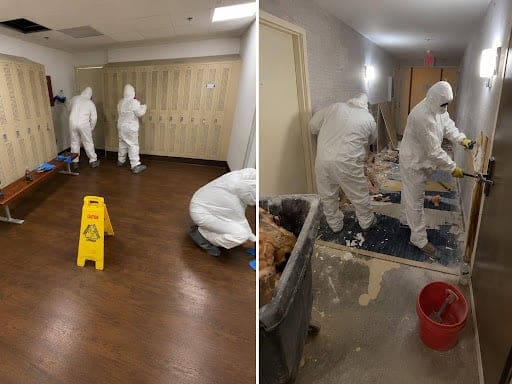
Professional sewage cleanup focuses on addressing contamination, disinfecting affected areas, and helping create a safe environment for the people living in the home.
Professional Decontamination Process
While every situation is different, professional sewage cleanup typically involves:
- Extracting and safely disposing of contaminated water.
- Removing materials that cannot be properly cleaned or disinfected.
- Cleaning and disinfecting affected surfaces.
- Using specialized drying and air-filtration equipment.
- Verifying that the area is safe for occupancy.
Post-Cleanup Health Verification
Just because the water is gone doesn’t always mean the cleanup is finished. Depending on the extent of the damage, restoration professionals may check moisture levels, inspect affected materials, and confirm that drying and cleanup efforts were successful. If there’s lingering moisture, mold growth, or indoor air quality concerns, additional testing may be recommended.
Understanding the sewage backup in basement health risks and responding quickly can help prevent bigger problems down the road. If you’re dealing with a nasty backup, give Property Medics of Georgia a call and send your problems back to the sewer. Our sewage cleanup services are available 24/7 across Metro Atlanta.
FAQ Section
How Quickly Do Health Symptoms Appear After Sewage Exposure?
There’s no single timeline. Some symptoms may appear within hours, while others can take a few days to develop. Contact a healthcare provider if you start feeling unwell after exposure to sewage-contaminated water.
Is It Safe To Stay In My Home During Professional Sewage Cleanup?
It depends on how widespread the contamination is. For smaller, isolated losses, you may be able to remain in unaffected areas of the home. Larger cleanups often require avoiding the affected area until the work is complete.
Can Sewage Backup Contamination Affect My Family’s Health Long-Term?
Yes, sewage contamination can affect your family’s health if the affected area isn’t properly cleaned and dried. Prompt cleanup helps reduce the risk of ongoing issues related to contamination, moisture, and indoor air quality.
What Should I Do If My Child Or Pet Contacted Sewage Water?
Wash the affected area thoroughly as soon as possible and be alert for signs of illness. If you have concerns or symptoms develop, contact your doctor or veterinarian for guidance.
Does Homeowner’s Insurance Cover Medical Expenses From Sewage Exposure?
Every policy is different. The best first step is to contact your insurance provider, explain the situation, and ask what coverage may apply to your specific claim.