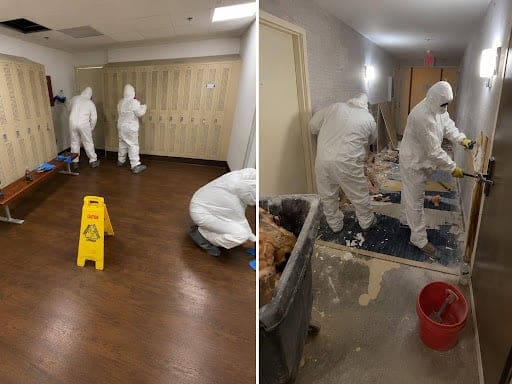
Whether it’s a burst pipe, a failed water heater, or the aftermath of a heavy Metro Atlanta storm, flooded basements turn daily routines upside down. But before you start moving boxes or searching for a wet vacuum, it’s important to know what steps to take.
If you’re frantically searching “basement flooded what to do”, the answer always starts with safety. Acting quickly can help minimize damage, protect your belongings, and reduce the risk of bigger problems down the road.
This guide walks you through what to do about a flooded basement, the cleanup steps you can safely handle yourself, and when professional restoration may be the smarter option.
Is Your Basement Safe to Enter? Critical Safety Assessment
Before you start moving boxes or looking for a wet vacuum, make sure it’s actually safe to enter the basement. Floodwater can hide hazards that aren’t always obvious at first glance.
A quick safety check now can help you avoid a much bigger problem later.
Electrical Safety Checklist
Water and electricity are a dangerous combination. Do not enter the basement if:
- Water is touching outlets, extension cords, or electrical equipment
- The electrical panel is located in the flooded area
- You notice sparks, burning odors, or damaged wiring
- You’re unsure whether power has been shut off safely
If you can safely reach your breaker panel without walking through water, turn off the power to the affected area. If not, contact your utility provider or a qualified electrician before entering.
Structural Damage Warning Signs
Standing water can damage your home’s structures after prolonged rain or a significant plumbing leak. As you assess the area, keep an eye out for:
- New or widening foundation cracks
- Walls that appear bowed or bulging
- Sagging ceilings
- Shifting support posts
- Doors or windows that suddenly stick
Many homes throughout Metro Atlanta sit on clay-heavy soil that expands when wet and shrinks as it dries. Excess moisture around a foundation can sometimes contribute to movement that wasn’t there before.
If you notice signs of structural damage, avoid disturbing the area until it can be professionally evaluated.
Water Contamination Assessment
One of the first questions you should ask yourself after a basement flood is, “Where did the water come from?” Clean water often comes from sources such as broken supply lines, water heaters, or appliance leaks. Other situations can involve contaminated water carrying bacteria, sewage, chemicals, or debris.
Warning signs of water contamination include:
- Sewage odors
- Water backing up from drains or toilets
- Dark or discolored water
- Debris carried in by stormwater
Avoid direct contact with the water if contamination is suspected. What looks like ordinary floodwater can sometimes contain sewage, bacteria, or other contaminants that create additional health and safety concerns during cleanup. In these situations, contact professional sewage cleanup specialists to safely clean and restore the affected area.
Emergency Response: First 30 Minutes After Discovery
If you’re wondering what to do about a flooded basement, start here:
1. Stop the Water Source
Before you start removing water, try to figure out where it’s coming from. Common sources include:
- Burst plumbing lines
- Failed water heaters
- Washing machine supply hoses
- Stormwater intrusion
- Foundation seepage
If a plumbing issue is causing the flooding, shut off the home’s main water supply immediately. Even after the leak stops, moisture from a burst pipe can remain hidden behind walls, beneath flooring, and within building materials, making professional burst-pipe cleanup necessary in some situations.
If the flooding appears to be weather-related, check for overflowing gutters, clogged drains, or drainage issues around the foundation, all of which can contribute to basement flooding during heavy storms.
2. Document Everything
Take a few minutes to document the damage before starting cleanup. Creating a quick inventory beforehand saves time and stress when dealing with insurance later.
Here’s what to capture:
- Wide photos of the affected area
- Close-up photos of damaged belongings
- Videos showing water levels
- Photos of walls, flooring, furniture, and appliances
3. Contact Your Insurance Company
Many insurance providers require homeowners to report water damage as soon as reasonably possible. When you call, be prepared to provide:
- The date and time the flooding was discovered
- The suspected cause
- Photos and videos of the damage
- A list of affected belongings
Coverage depends largely on the source of the water. Damage from burst pipes or appliance failures is often handled differently from damage caused by groundwater flooding. If you’re dealing with significant standing water, professional emergency water mitigation can help prevent additional damage while you work through the claims process.
Immediate Cleanup Steps You Can Handle Safely
Once you’ve addressed the water source and confirmed the area is safe to enter, focus on limiting additional damage. The goal is to remove moisture, protect your belongings, and begin drying the space before problems spread further.
- Water Removal for Minor Flooding: A small amount of clean water can often be removed with a wet/dry vacuum or buckets. Before you get started, make sure it’s safe to work in the area and avoid using a standard household vacuum. If you have a sump pump, make sure it’s running properly.
- Salvaging Personal Property: Focus first on important documents, family photos, electronics, sentimental items, and valuable furniture. Move belongings quickly to a dry, well-ventilated area to improve the chances of saving them and prevent further damage.
- Initial Drying Steps: Run fans, use dehumidifiers, and remove wet rugs or loose materials as soon as possible.
When to Call Professional Restoration Services
If you’re unsure what to do for flooded basement damage that extends beyond a small leak or puddle, professional restoration is often the safest next step. Hidden moisture can create larger problems long after the visible water is gone.
Major Water Damage Indicators
It’s usually time to call for help when flooding affects multiple rooms, drywall, insulation, flooring materials, or large portions of the basement. Water travels behind walls, beneath flooring, and into nearby areas long after standing water is gone, which is why professional water damage restoration services are often needed to identify hidden moisture and help prevent further damage.
Time-Critical Situations
Bring in professional help as quickly as possible if:
- Sewage contamination is present
- Electrical systems may have been affected
- HVAC equipment has been exposed to water
- Flooding has gone unnoticed for more than 24 hours
Georgia’s warm, humid climate can make moisture-related issues even more challenging. The longer water remains trapped inside building materials, the more difficult the cleanup process often becomes.
What Professional Restoration Includes
Professional restoration typically includes water extraction, moisture detection, structural drying, sanitization, and ongoing monitoring to ensure affected materials dry properly. The goal isn’t simply removing water. It’s helping to ensure hidden moisture doesn’t continue to affect your home after the flood appears to be gone.
Post-Flood Recovery and Prevention
Taking the right steps during recovery can help protect your home and reduce the chances of future flooding.
- Carpet and Flooring Decisions: Carpet exposed to clean water can be salvaged if cleanup begins quickly. However, saturated padding, contaminated water, or prolonged exposure often make replacement the safer option. Flooring should be carefully evaluated before being reinstalled or covered.
- Mold Prevention Protocol: Moisture trapped behind walls, beneath flooring, or inside building materials can create ideal conditions for mold growth. If signs of mold appear, experienced mold remediation experts can help identify the source and safely address the problem.
- Future Flooding Prevention: Once cleanup is complete, consider what caused the flooding in the first place. Improving drainage around the foundation, maintaining gutters and downspouts, upgrading sump pumps, and addressing foundation seepage can all help reduce the risk of future basement flooding.
Property Medics is available 24/7 to provide fast, professional restoration services throughout Metro Atlanta. When water takes over your home, we help you fight back.
FAQ Section
How quickly do I need to start cleanup after a basement flood?
The sooner, the better. Even if you can’t tackle everything right away, getting standing water removed and starting the drying process quickly can help reduce damage and prevent bigger issues from developing.
Will my homeowners insurance cover basement flooding in Metro Atlanta?
It depends on what caused the flooding. Unexpected damage from a burst pipe or appliance failure is often covered, but flood coverage may be optional. If you’re unsure, contact your insurance provider as soon as possible and ask about your specific situation.
Can I use a regular shop vacuum to remove flood water?
Only if it’s a wet/dry vacuum designed for water removal. A standard household vacuum should never be used to remove standing water.
When is basement flooding too dangerous to handle on my own?
Call a professional if sewage is involved, water is near electrical components, or you’re seeing signs of structural damage. When safety is in question, it’s always better to be cautious.
How long does professional basement flood restoration take in Georgia?
Every situation is different, but most projects take anywhere from a few days to about a week. Factors such as the amount of water, the materials affected, and Georgia’s humidity levels can all affect the timeline.
Can I stay in my home after a basement flood?
In many cases, yes. If the flooding is limited to the basement and there are no safety concerns, most families can remain in the home while cleanup and drying take place. More severe flooding, contamination, or electrical hazards may require temporary relocation.