When you don’t feel your best at home, it’s easy to blame it on the day-to-day stuff like allergies or stress. But if you start feeling better after you’ve been away, only for those same symptoms to come back once you’re home, your house might be trying to tell you something.
At Property Medics, we’ve met homeowners who spent months trying to figure out what was causing persistent health concerns, only to discover hidden mold growing behind walls, beneath flooring, or in other damp areas of the home.
While mold doesn’t affect everyone the same way, recognizing these 10 warning signs of mold toxicity can help you decide when it’s time to take a closer look at your living environment.
What Is Mold Toxicity (And How Is It Different from a Mold Allergy)?
Sneezing, itchy eyes, or a stuffy nose are the most common signs of a mold allergy. But some people may experience a wider range of symptoms after prolonged mold exposure. Mold toxicity refers to symptoms that may be linked to exposure to mycotoxins produced by certain types of mold.
According to the CDC’s guidance on mold health effects, mold affects people differently, and those with asthma, allergies, weakened immune systems, or chronic lung conditions may be more sensitive to its effects.
Here’s a quick look at how the two differ:
| Mold Allergy | Mold Toxicity |
| Often causes sneezing, itchy eyes, and a runny nose. | Mold toxicity symptoms affect multiple body systems in some people after prolonged exposure. |
| Usually improves by limiting exposure or managing allergies. | Symptoms may continue if the mold problem inside the home isn’t addressed. |
Which Molds Are Most Likely to Cause Toxicity?
Several types of mold have been associated with mycotoxin production, including Stachybotrys chartarum (commonly called black mold), Aspergillus, and Chaetomium. These molds thrive in damp, water-damaged materials like drywall, wood, and insulation.
Here in Georgia, the combination of high humidity, frequent summer storms, and moisture-prone areas like crawlspaces creates ideal conditions for mold to grow if water problems aren’t addressed quickly. That’s why hidden mold often catches homeowners by surprise. By the time it’s discovered, the leak or moisture problem may have been there for weeks or even months.
How Much Mold Exposure Is Dangerous?
There isn’t a federally established “safe” amount of indoor mold. The bigger concern is whether mold is actively growing in your home, especially if people are experiencing unexplained symptoms or the moisture problem isn’t going away. Children, older adults, pregnant women, and people with existing respiratory or immune conditions may be more sensitive to mold in the home than others.
The 10 Warning Signs of Mold Toxicity
If you think mold could be contributing to your symptoms, start by looking for patterns. Many mold toxicity symptoms overlap with other conditions, but homeowners often tell us they feel worse at home and notice improvement after they’ve been away.
Signs 1–3: Respiratory and Sinus Symptoms
1. Chronic Coughing or Wheezing
If you’ve had a cough or wheeze that just won’t seem to go away, mold could be one possible reason. Pay attention if it seems to get worse while you’re at home and eases after you’ve been away.
2. Sinus Congestion and Recurring Sinus Infections
Constant congestion or recurring sinus infections without a clear cause can sometimes be linked to mold exposure. If the same symptoms keep recurring, your home may deserve a closer look.
3. Shortness of Breath
Feeling short of breath during everyday activities or while you’re indoors can sometimes be associated with mold exposure, especially if you already have asthma or another respiratory condition.
Signs 4–6: Neurological and Cognitive Symptoms
4. Brain Fog and Memory Problems
Some symptoms go beyond physical effects, with some reporting issues concentrating or feeling mentally foggy after prolonged mold exposure.
5. Chronic Headaches
Headaches that seem to show up at home but improve after you’ve been away may be another clue that something in your environment deserves a closer look.
6. Mood Changes and Anxiety
Unexplained anxiety, irritability, or mood changes have also been reported by some people with prolonged mold exposure. While these symptoms can have many causes, they can be easier to connect when they happen alongside other signs on this list.
Signs 7–10: Fatigue, Skin, Immune, and Digestive Symptoms
7. Chronic Fatigue
If you’re constantly tired, even after getting enough sleep, hidden mold could be one factor to consider. This is especially true if your energy improves after you’ve spent time away from home.
8. Skin Irritation and Rashes
Rashes, itchy skin, or hives that seem to flare up at home and calm down elsewhere may point to an environmental trigger, including mold.
9. Frequent Illness or a Weakened Immune Response
If it feels like you’re always getting sick or can’t seem to shake a cold, recurring mold exposure may be to blame, especially if you’re experiencing other symptoms on this list.
10. Digestive Issues
While not as common as respiratory symptoms, some people report experiencing nausea, stomach cramps, or diarrhea after prolonged mold exposure.
Common Mistakes People Make When They Suspect Mold Toxicity
Not every health concern is caused by mold, but if you suspect your home could be contributing to your symptoms, taking the right approach matters. We’ve met plenty of homeowners who tried quick fixes first, only to realize the moisture problem was still hiding behind the walls.
Here are a few of the most common mistakes we see:
- Only Seeing a Doctor, Not Inspecting the Home: Seeing a healthcare provider is an important step, but treating symptoms alone won’t address hidden mold if it’s still growing in your home. Looking at both your health and your living environment can help identify the underlying cause.
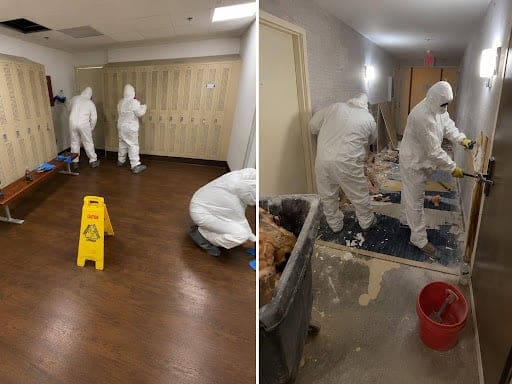
- Assuming No Visible Mold Means There’s No Problem: Mold doesn’t always grow where you can see it. It often hides behind walls, beneath flooring, inside crawlspaces, or around HVAC systems, making a professional inspection worthwhile when symptoms persist.
- Cleaning Porous Materials With Bleach: Bleach may clean surface mold on some non-porous materials, but it won’t remove mold that’s growing inside drywall, wood, or other porous surfaces. In many cases, those materials need to be properly removed and replaced.
- Running Fans or Your HVAC System: Running fans or your HVAC system before the area has been properly contained can spread mold spores throughout your home. If mold covers more than 10 square feet, the EPA recommends professional remediation to safely contain and remove the affected materials.
- Waiting Too Long to Act: Small moisture problems rarely stay small for long. In Georgia’s warm, humid climate, mold can spread quickly after a leak or water intrusion, making early action much easier and less disruptive than waiting until the damage becomes more extensive.
When to Call a Professional — And What Happens Next
If you’ve experienced any of the 10 warning signs of mold toxicity and they seem to worsen while you’re at home, get your property inspected. While a healthcare provider can help evaluate your symptoms, a professional mold inspection can determine whether hidden moisture or mold is contributing to the problem.
Signs the Problem Is Beyond DIY
Some mold issues can be cleaned safely, but others require specialized equipment and containment to prevent spores from spreading. Surface mold can sometimes be cleaned safely, but mold hiding inside walls or HVAC systems is a different story. These situations usually require specialized equipment to keep spores from spreading throughout the home.
What a Professional Mold Assessment in Georgia Looks Like
When we inspect a home, we look beyond the visible growth to find the source of the moisture and determine how far the problem may have spread. That often includes a visual inspection, moisture mapping, and checking areas where mold commonly develops, such as crawlspaces or behind water-damaged materials.
If needed, our professional mold remediation process is designed to address both the mold and the moisture issue that allowed it to grow in the first place.
At Property Medics, we’ve helped homeowners across the state uncover hidden mold after months of unexplained moisture issues and indoor air concerns. If several of the warning signs in this article sound familiar, we’re here to help you identify the source of the problem and recommend the right next steps with confidence.
FAQ Section
Can mold toxicity go away on its own?
It depends on what’s causing your symptoms, but they usually won’t improve for long if you’re still being exposed to mold. If you suspect mold is affecting your health, talk with your healthcare provider and have your home checked for hidden moisture or mold.
How long does it take for mold toxicity symptoms to appear?
There’s no set timeline. Some people notice symptoms fairly quickly, while others don’t connect the dots until weeks or even months later. It often depends on the type of mold, the level of exposure, and how your body responds.
What is the difference between mold toxicity and a mold allergy?
A mold allergy usually causes familiar symptoms like sneezing, congestion, and itchy eyes. Mold toxicity refers to a broader range of symptoms that some people may experience after spending extended time around hidden mold.
Can you have mold toxicity without seeing mold in your home?
Yes. Mold doesn’t have to be visible to become a problem. It grows behind walls, under flooring, in crawlspaces, or around HVAC systems.
Is mold toxicity the same as black mold poisoning?
Not exactly. “Black mold poisoning” is a common phrase, but it isn’t a medical diagnosis. While black mold is often part of the conversation, other mold species can also produce mycotoxins, so you can’t judge a mold’s potential impact by its color alone.